

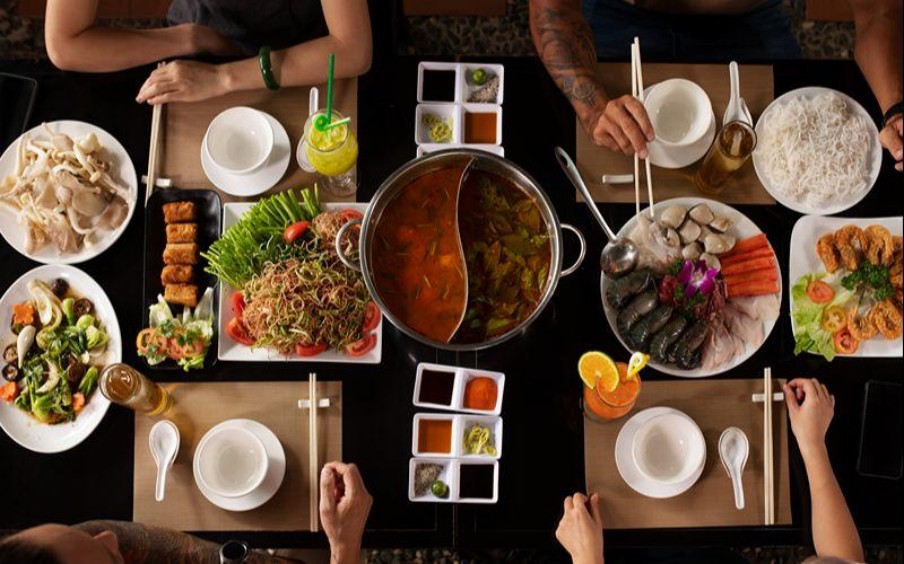
Chinese cuisine feels familiar to many diners, yet it regularly creates small moments of confusion once you sit down. Menus appear extensive, ordering feels rushed, and dishes arrive in a rhythm that does not always align with expectations. These tips and hacks focus on the everyday decisions people make when eating Chinese cuisine, especially when dining with others. They reflect what regular diners notice only after repeated meals, rather than formal rules or expert knowledge. Understanding these moments helps meals feel smoother and less awkward without changing where or what you eat.
1. Menus Reward Pattern Recognition
Line-by-line reading is rarely encouraged on massive Chinese food menus. The majority of diners quickly scan for terms they are familiar with, house specials, or previously seen goods. Certain meals can be found on almost every table because of this tendency. Diners feel less pressure to uncover something unique when they understand that menus operate through patterns rather than discoveries. Repetition is a natural part of the experience.
2. Sharing Changes How Dishes Are Judged
In shared meals, individual preferences take a back seat quickly. Dishes are evaluated by how they fit together rather than how they taste alone. A rich dish balances a lighter one, while textures matter as much as flavour. Many diners realise only later that disappointment often comes from poor combinations rather than poor cooking.
3. Rice Is a Timing Decision
Rice often arrives early, late, or not at all unless someone asks. It creates quite a confusion at the table. Some diners expect rice to anchor the meal, while others treat it as optional. Recognising rice as a timing choice rather than a default prevents frustration when dishes appear without it.
4. Portions Are Designed for the Table
Portion sizes in Chinese cuisine can feel unpredictable. Plates may look small until several arrive, filling the table quickly. Diners expecting one dish per person often misjudge how much is enough. Portions make more sense when viewed as pieces of a spread rather than individual meals.
READ MORE: Best Food in Chinatown for Fit Folks Who Still Love a Good Bite
5. Sauces Carry Unspoken Expectations
Sauces are rarely explained, yet they shape how dishes are eaten. Some are meant for dipping, others for spooning over rice, and some simply coat the dish. Diners unfamiliar with these cues may feel unsure, even when enjoying the food. Over time, people learn through observation rather than instruction.
6. Ordering Speed Signals Familiarity
The pace of ordering often reflects confidence rather than decisiveness. Tables that order quickly usually rely on habit or shared understanding. Slower ordering is not a problem, but it can feel exposed in busy settings. Recognising this dynamic helps diners feel less self-conscious when taking time.
7. Tea Sets the Meal’s Rhythm
Tea arrives early and continues quietly throughout the meal. It is easy to overlook, yet it influences pacing. Diners who sip tea tend to eat more steadily, while those who ignore it may feel rushed. Tea is less about flavour and more about tempo.
8. Leftovers Are Part of the Plan
Leaving food behind can feel wasteful to some diners, yet it happens frequently. Ordering slightly more than needed is common, especially in group settings. Leftovers reflect abundance rather than excess. Understanding this custom eases guilt when plates return partially full.
Conclusion
The expectation that Chinese food will act like other dining styles is the root of many complaints about it. Timing, sharing, menus, and portions all follow their own logic, which is made more apparent by repetition as opposed to explanation. Confusion disappears, and the experience becomes more organic when expectations are adjusted to reflect how meals actually go.
Explore Taste of SG to discover more perspectives on everyday dining moments.




More Stories
How to Plan Seminar Catering in Singapore With Live Stations
Drinks Before Dinner – Cocktail Party Drinks
Guarantee Healthy Living with Spring Water 15L